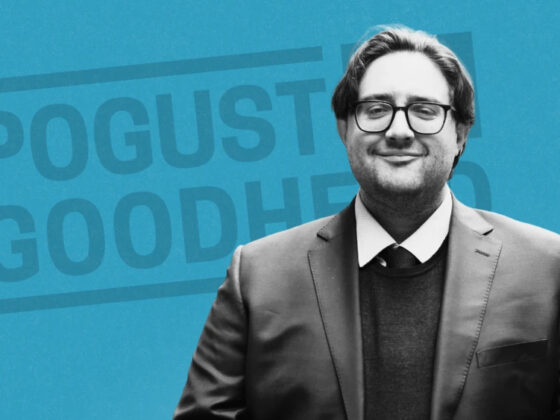
Tom Goodhead, the co-founder and former chief executive of Pogust Goodhead, has denied misconduct following reports about spending on private jets, luxury hotels and international travel. The controversy developed during a period of financial pressure and internal disruption at the mass-claims law firm, placing its governance and funding arrangements under intense scrutiny.
Goodhead Rejects Allegations of Improper Spending

Goodhead has strongly disputed claims involving the improper use of litigation funds, maintaining that the reported expenditure was connected with legitimate business activities. According to his position, international travel, accommodation and corporate hospitality were necessary for developing cases, meeting clients and managing an expanding legal practice operating across several jurisdictions.
Reports alleged that money available to the firm supported private flights, luxury accommodation, yacht events and other expensive activities. Critics questioned whether these costs were appropriate when Pogust Goodhead relied heavily on external investment to finance long-running group claims. The reported expenses attracted additional attention because they emerged alongside concerns about the firm’s debt and continuing need for capital.
Goodhead has rejected suggestions that he personally misused money intended for claimants or legal proceedings. He has also challenged the circumstances surrounding his removal, portraying the dispute as part of a wider struggle over control of the firm. Since the accusations remain contested, they should not be treated as established findings of wrongdoing.
Financial Pressure Behind the Governance Dispute
Pogust Goodhead built its reputation by taking on large environmental and consumer cases that require substantial investment before producing any return. These proceedings involve extensive legal teams, expert witnesses, document management systems and international coordination. Years may pass before a judgment or settlement allows the firm and its funders to recover their costs.
The firm obtained significant backing from litigation funder Gramercy while pursuing claims including the case against BHP arising from the Mariana dam disaster in Brazil. As expenditure increased, reports indicated that disagreements developed over budgets, oversight and the direction of the business.
Goodhead was eventually replaced as chief executive, while a restructured board assumed greater responsibility for the organisation. He later left the board entirely. Pogust Goodhead introduced new leadership as it sought to reassure funders, employees and clients that its major legal cases would continue despite the internal turmoil.
Why the Controversy Matters to Claimants

The debate extends beyond the reputation of an individual lawyer. Pogust Goodhead represents large numbers of people in complicated cases involving environmental damage, diesel emissions and consumer rights. These clients depend on the firm having enough money and experienced personnel to maintain proceedings against well-funded corporate defendants.
Questions about spending can weaken confidence even when they do not result in formal findings of misconduct. Claimants may want clear information about how their cases are funded, whether internal changes will cause delays and what deductions could be made from any eventual compensation.
The controversy also demonstrates the tension within litigation funding. External capital can provide access to justice for people unable to finance major claims themselves. However, the arrangement gives funders a strong interest in budgets, risk and expected returns. Disputes may occur when lawyers and investors disagree about which expenses are necessary or how much control a funder should exercise.
Conclusion
Tom Goodhead’s denial places the reported luxury spending at the centre of a contested governance dispute rather than a settled case of misconduct. He maintains that the expenses supported legitimate international legal work, while reports have raised concerns about their scale and purpose. Pogust Goodhead’s new leadership must now demonstrate that the firm has effective financial controls, remains independent in its legal decisions and can protect clients from further disruption. Its long-term credibility will depend on transparent management and progress in the major claims it continues to handle.