Kitchen splashbacks are one of the most practical upgrades you can make in a kitchen. They protect walls from moisture, grease, and stains while also adding a strong design element at eye level.
With so many materials available, it can be difficult to know which option offers the best value. The smartest choice is usually the one that balances price, durability, maintenance, and long term appearance.
Glass, acrylic, and laminate for everyday practicality

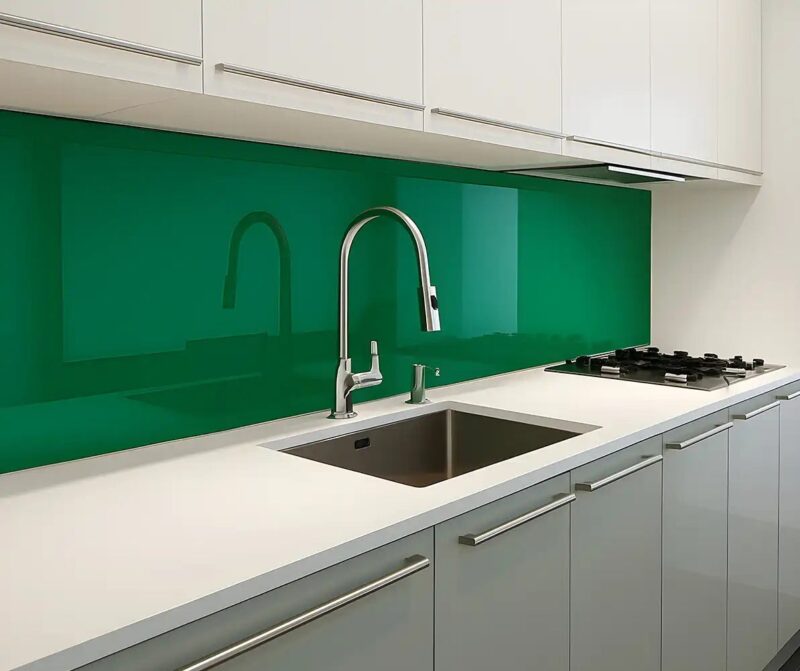
Many homeowners choose glass because it offers a sleek, modern finish and is very easy to clean. It works well in both small and large kitchens because it reflects light and creates a smooth, seamless look.
For made to measure kitchen splashbacks, glass is often considered one of the best value options. It lasts for years, resists staining, and keeps its appearance even in busy cooking zones.
Acrylic splashbacks are another popular alternative because they are lightweight and usually cheaper than glass. They can look very similar from a distance, but they are more likely to scratch over time and may not handle heat as well behind a hob.
Laminate splashbacks are often chosen to match worktops or cabinets. They are cost effective and easy to fit, but they can be less resistant to long term moisture exposure if edges are not sealed correctly.
If you want a simple, clean finish without paying premium prices, these options offer strong value. The key is choosing the right material for the areas where heat and cooking activity are highest.
Tiles, stone, and porcelain for style and long term durability
Tiles remain a classic splashback choice and they suit almost any kitchen style. They are available in endless colours, shapes, and finishes, and they can be one of the most affordable options depending on the tile type.
However, the hidden cost with tiles is often the installation and ongoing maintenance. Grout lines can stain over time and may require regular cleaning or sealing to keep them looking fresh.
Natural stone adds a premium feel and gives a unique, one of a kind surface. It can look stunning, but it usually requires sealing and careful cleaning to avoid marks from oil, wine, or acidic foods.
Porcelain slabs are increasingly popular because they mimic marble, concrete, or stone while being more resistant to staining. They offer excellent durability and a high end look, although the cost can be higher due to fabrication and cutting.
For value over many years, porcelain can be one of the strongest options. It is especially attractive if you want a luxury look without the higher maintenance demands of real stone.
Metal, composite, and budget friendly alternatives

Stainless steel splashbacks are often chosen for modern kitchens and professional inspired interiors. They are heat resistant and hygienic, but they can show fingerprints and may scratch depending on the finish.
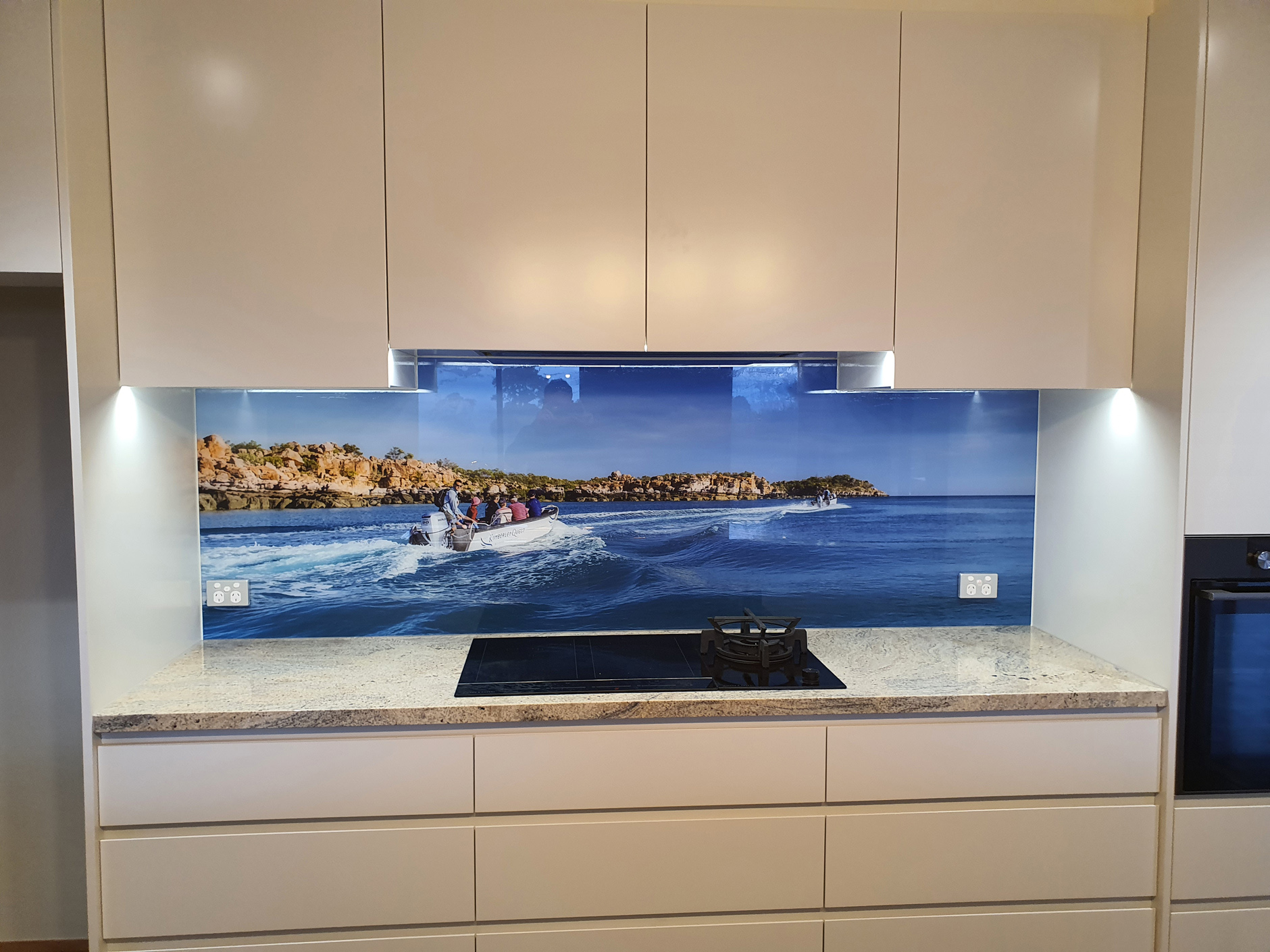
Aluminium composite panels are another modern option and are often used for quick renovations. They are lightweight, easy to install, and can be printed or finished in many styles.
Painted walls with a washable coating can be a budget option in low splash areas. This can work behind a sink or in sections of the kitchen where there is little cooking, but it is not ideal behind a hob.
Some homeowners also consider waterproof wall panels that imitate tile or stone. These can offer decent value, but quality varies widely, so it is important to choose a trusted supplier.
In many cases, the best value comes from combining materials. You can use a premium panel behind the hob and a simpler option in lower risk areas.
Conclusion
Kitchen splashbacks are worth investing in because they improve both function and style. The best value material depends on how you cook, your budget, and how much maintenance you are willing to do.
Glass and porcelain tend to offer the strongest balance of durability and design for most homes. If you choose carefully and match the material to your lifestyle, your splashback will stay attractive and practical for many years.