
Pogust Goodhead’s internal turmoil has placed a wider issue under scrutiny: who ultimately controls major lawsuits when a law firm depends heavily on external financing? The firm insists that its lawyers remain professionally independent, but rising liabilities, leadership departures and reported tensions with its principal funder have intensified concerns about the balance between legal judgment and commercial influence.
Rising Debt Changes the Balance of Power

Debate over control has grown alongside Pogust Goodhead’s rising debt levels. Overdue accounts revealed that the class action specialist recorded a loss of approximately £91 million in 2023, while its liabilities continued to expand. Earlier financial disclosures had already raised concerns about a debt burden exceeding £500 million and uncertainty surrounding the firm’s long-term position.
Pogust Goodhead argues that ordinary accounting figures do not reflect the potential value of its litigation portfolio. Its cases may eventually generate substantial fees, particularly if major claims result in favourable judgments or settlements. However, those returns can take years to materialise, while salaries, experts, international operations and financing costs must be paid immediately.
This financial structure gives lenders considerable commercial importance. A firm requiring additional credit to continue its cases may formally retain control over legal decisions, yet it also depends on funders remaining willing to supply capital. That dependence can create questions about where practical influence begins, even when contractual documents protect professional independence.
Leadership Departures Intensify Control Concerns
The removal of co-founder Tom Goodhead as chief executive in 2025 turned financial concerns into a governance crisis. He was replaced by Alicia Alinia, while a restructured board assumed responsibility for stabilising the firm. His departure was followed by the resignation or withdrawal of several senior lawyers involved in important proceedings.
Some employees reportedly expressed concern about the role of Gramercy Funds Management, the US investor that announced a £450 million funding partnership with Pogust Goodhead in 2023. Further credit was reportedly provided as the firm’s financial pressures increased.
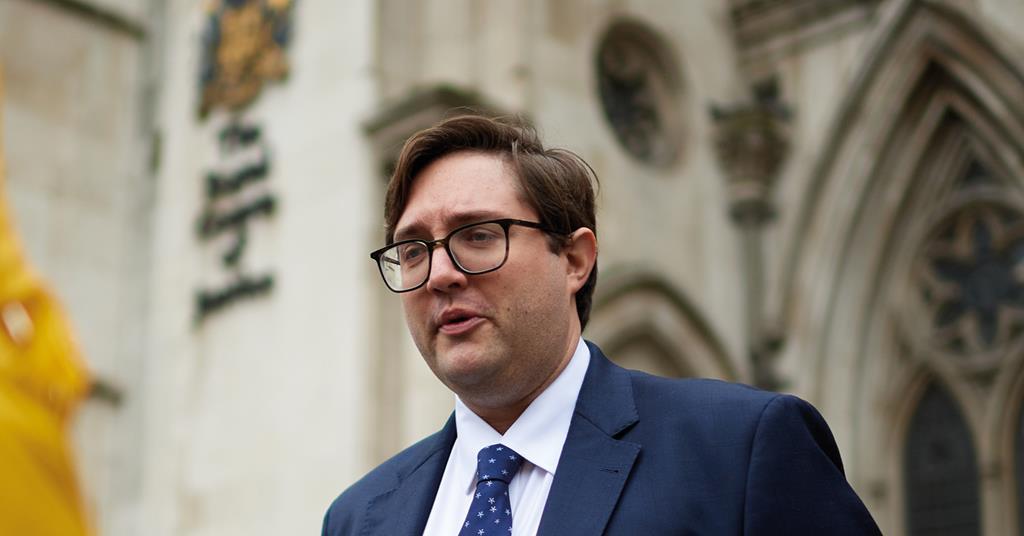
Goodhead has described his removal as a boardroom coup connected to disagreements about the management of major litigation. The firm and Gramercy have rejected claims that the funder controls legal strategy, maintaining that qualified lawyers make decisions concerning claims, negotiations and settlement advice.
The allegations remain contested. Nevertheless, leadership changes occurring shortly after additional financial support was arranged have made questions about internal authority difficult to dismiss. Clients and courts need clarity about whether management decisions are driven by professional obligations, financial necessity or a combination of both.
Funded Litigation Requires Clear Safeguards
Third-party funding can provide essential access to justice. Pogust Goodhead represents large groups of people who would be unable to finance complex proceedings against multinational corporations independently. Its portfolio includes diesel-emissions claims and litigation arising from the 2015 Fundão dam collapse in Brazil.
However, funders invest capital with the expectation of a commercial return. Their priorities may include controlling costs, reducing risk and securing settlements within a reasonable period. Claimants may have different objectives, including higher compensation, public accountability or a final court ruling.
Strong safeguards are therefore necessary. Funding agreements should clearly limit investor involvement in legal strategy, while boards must remain capable of rejecting commercial pressure that conflicts with client interests. Transparent reporting, independent directors and effective regulatory oversight can help demonstrate that lawyers remain in control.
Conclusion
Pogust Goodhead’s difficulties illustrate the tension at the centre of funded litigation. External capital can make enormous group actions possible, but heavy dependence on one lender may complicate the distinction between financial support and practical control.
No definitive finding has established that Gramercy improperly directed the firm’s legal work. Even so, rising debt and senior departures have weakened confidence in Pogust Goodhead’s governance. Restoring stability will require more than new leadership. The firm must show clearly that funding decisions, corporate management and professional legal judgment remain separate, with the interests of claimants taking priority over those of creditors.