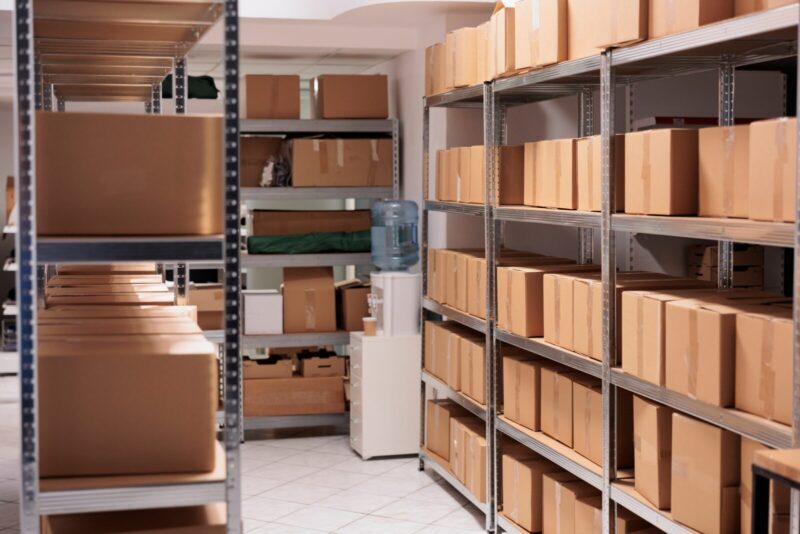
Choosing the right storage solution for physical records is one of the most important decisions organisations make when organising or expanding their archive space. Two of the most common approaches are archive box systems and steel shelving. Each has advantages and limitations — and the right choice depends on space, volume, accessibility, budget, and how records will be used over time. Understanding these differences helps you create a storage system that is secure, efficient, and scalable.
Cost comparison and long-term investment
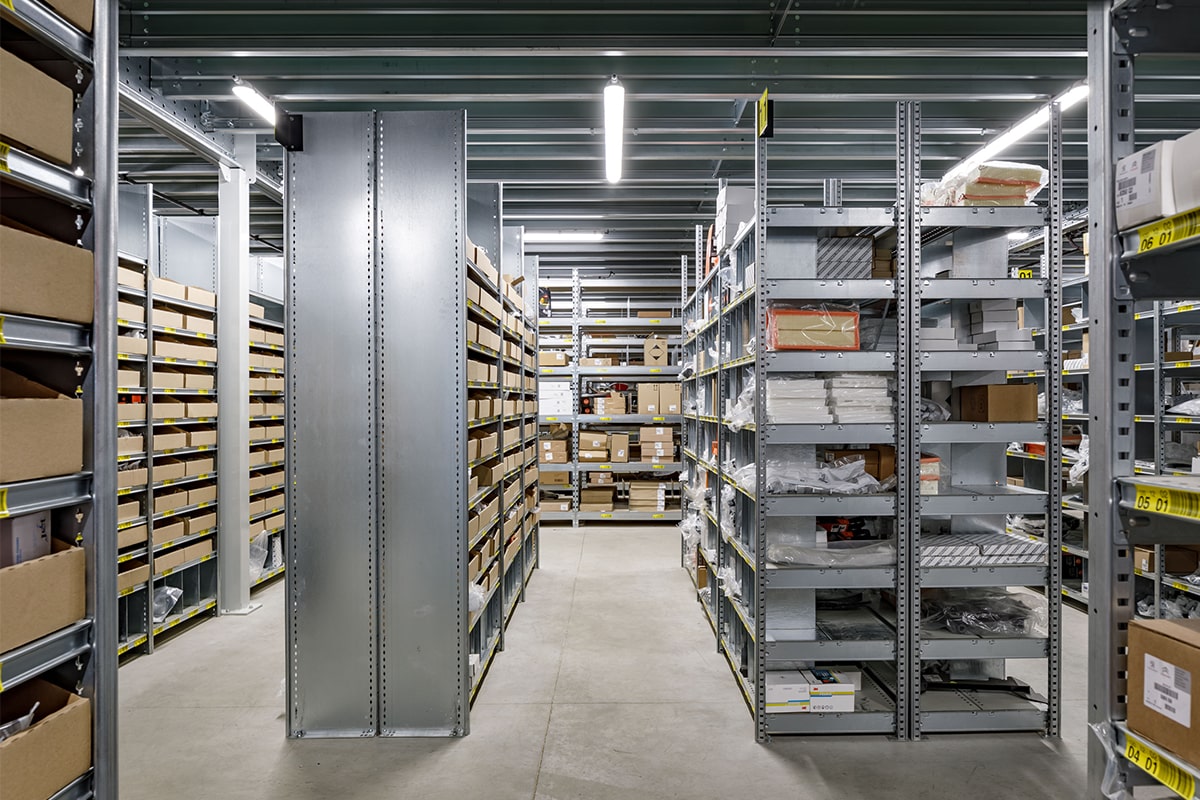
When comparing archive box systems and steel shelving, initial cost often plays a major role in decision making. Archive boxes themselves represent an ongoing expense because they are consumable items — they wear out, may need replacing, and must be purchased in quantities that match the records you have. If you find more about large filing boxes, you’ll notice that the unit cost varies widely based on material, size, and durability. Buying in bulk and choosing standard sizes like A4 or legal formats helps control per box cost, but over time these costs accumulate as records grow.
Steel shelving, by contrast, is a one-off infrastructure purchase. The upfront expense is generally higher per lineal metre than a set of archive boxes, but the system is reusable and lasts for many years with minimal maintenance. Over the long term, shelving often provides greater cost efficiency for large volume storage because the boxes stored on the shelves become simply containers, not the primary investment.
It’s also worth noting that some organisations choose a hybrid approach: archive boxes for active records that need frequent access, and bulk shelving (sometimes with larger cartons) for older records that are retained primarily for compliance.
Capacity and space utilisation
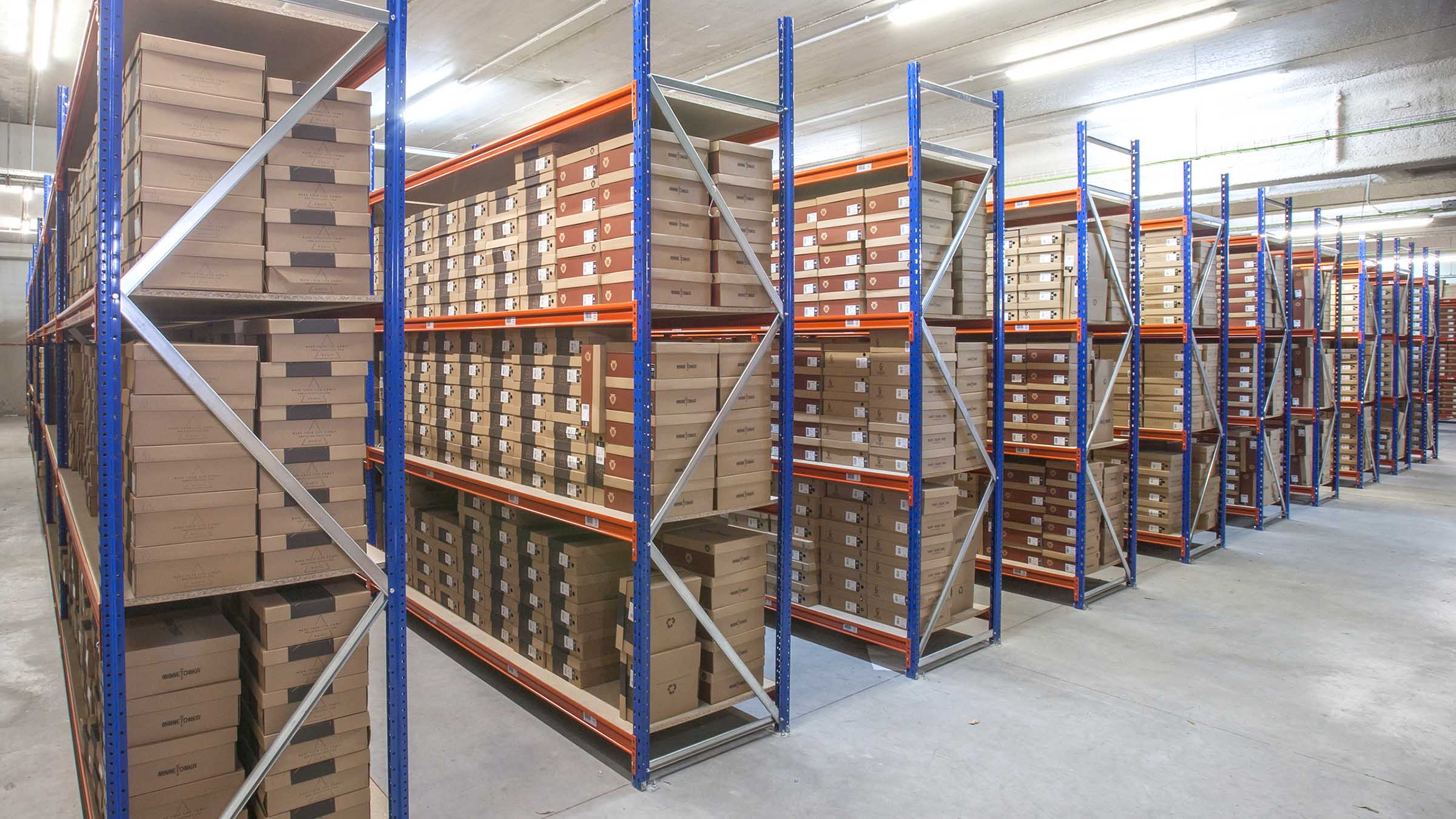
Space efficiency is another important factor. Steel shelving systems — whether static bolt-together racks or mobile compact shelving — make excellent use of vertical space and allow for high density storage. Because shelving can be configured to match ceiling height and aisle widths, it can accommodate a large number of records in a relatively small footprint.
Archive boxes fit well into shelving systems, but they are only as space-efficient as the shelving that holds them. Poorly organised box storage, mismatched box sizes, or inconsistent stacking can leave gaps and wasted space. Custom racking and adjustable shelving can improve this, but it requires thoughtful planning.
Archive box systems on their own — for example, boxes stacked directly on the floor or in non-integrated layouts — are the least space-efficient option. They can quickly consume floor area and make access difficult without clear paths and organisation.
In summary, shelving maximises capacity for the space you have, while archive box systems provide flexibility at the expense of footprint efficiency unless paired with a structured shelving solution.
Practicality and daily use
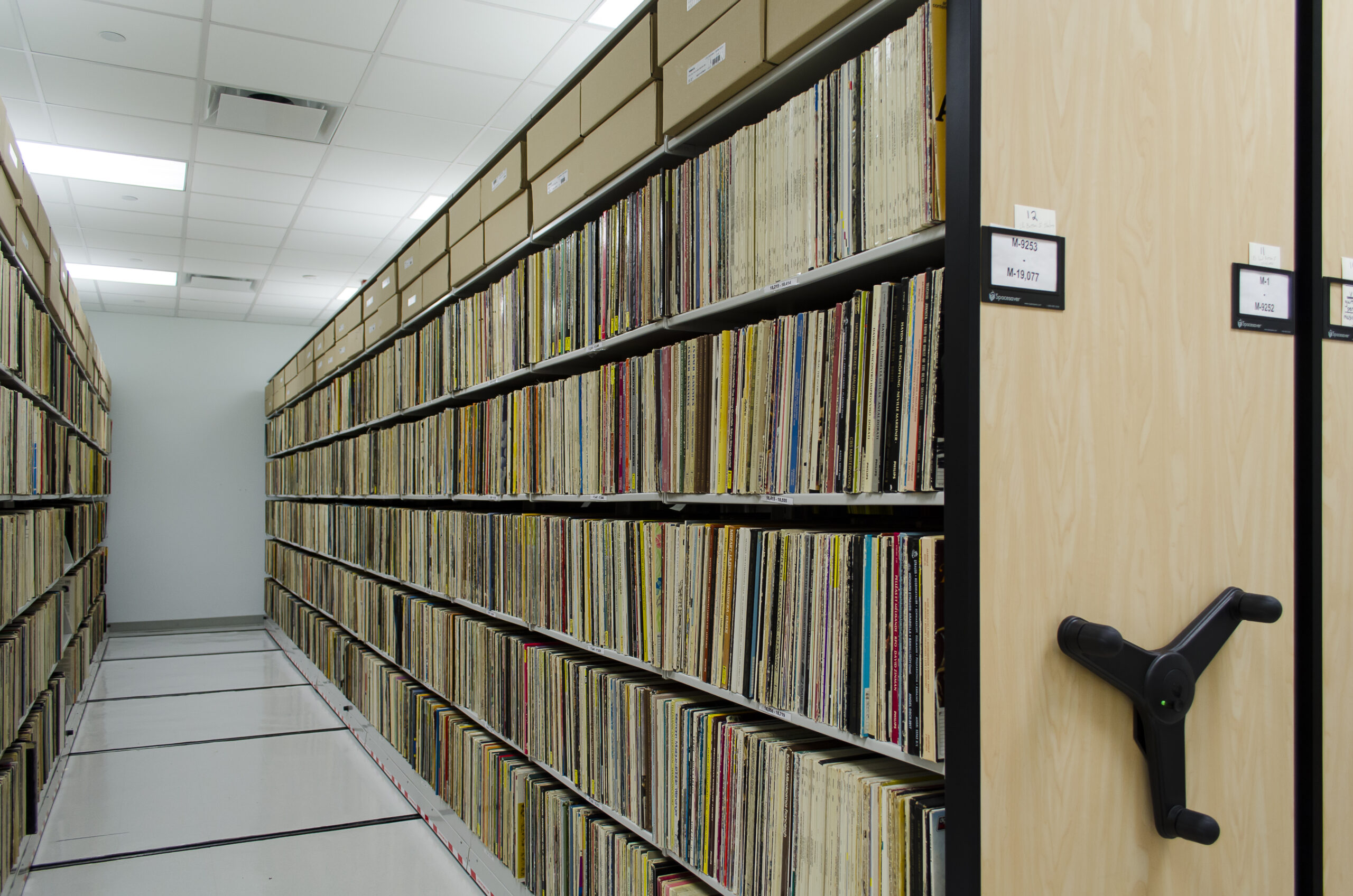
Accessibility and usability are equally significant when choosing between box systems and shelving. Steel shelving provides clear visibility of records, especially when boxes are labelled and stored consistently. Records managers can retrieve files quickly with minimal bending or stacking, and it’s easier to maintain order over time.
Archive box systems shine in environments where records are frequently moved in and out, or where transport and temporary storage are part of daily operations. Boxes make it easy to carry a set of files to a desk or meeting room without disrupting a larger shelving system. Larger filing boxes, including archival cartons and file drawer boxes, come with handles and stacking designs that support mobile use.
However, unstructured box storage can lead to disorder, lost files, and retrieval delays if clear processes aren’t established. Shelving, especially when labelled with zones and categories, supports consistency and reduces the chance of misfiling.
Conclusion
Archive box systems and steel shelving each have a role in effective records management. Archive boxes offer flexibility and portability, especially for active files, while steel shelving delivers superior capacity, long-term value, and efficient use of space. Integrating both — for example, using large filing boxes on designated shelving — often provides the best balance of cost, capacity, and practicality.
For organisations with growing archives, starting with a clear understanding of record volume, usage patterns, and available space ensures that storage investments support both immediate needs and future growth. Whether you explore large filing boxes or invest in robust shelving infrastructure, the right combination improves access, protects records, and makes your archive room work smarter.